
Craftsman 3/4 HP Garage Door Opener: A Comprehensive Guide
Welcome! This guide provides detailed instructions for your Craftsman 3/4 HP garage door opener, ensuring safe operation and longevity.
Congratulations on choosing a Craftsman 3/4 HP garage door opener! This robust model is designed for reliability and convenience, offering a powerful solution for residential garages. This opener is a popular choice due to its balance of strength and affordability, capable of handling most standard garage door sizes and weights.
This guide will walk you through everything from initial setup and operation to maintenance and troubleshooting. We’ll cover safety precautions, programming instructions, and advanced customization options. Understanding your opener’s features and following these guidelines will ensure years of trouble-free performance and contribute to the security of your home; Let’s begin with understanding your specific model!
Understanding Your Opener Model
Locating key details about your specific Craftsman 3/4 HP opener is crucial for proper use and maintenance procedures.
Identifying Your Specific Model Number

Finding your model number is the first step towards accessing the correct resources for your Craftsman 3/4 HP garage door opener. This unique identifier allows you to download the precise manual, order replacement parts, and receive tailored support from Craftsman.
Typically, the model number is located on a sticker affixed to the motor unit itself. Look for a white or silver label, often on the side or back of the unit. It may also be printed on the original packaging or in the owner’s manual if you still have it.
The model number is a combination of letters and numbers – for example, 53918. Carefully note this number as you’ll need it throughout this guide and when contacting customer support.
Key Features and Specifications
Your Craftsman 3/4 HP opener boasts several features designed for convenience and security. It includes a robust 3/4 horsepower motor, capable of handling most standard residential garage doors. The Security+ Rolling Code technology prevents unauthorized access by changing the access code each time.
Key specifications include a lifting capacity suitable for up to 7-foot tall doors, and compatibility with various door materials like steel or wood. It operates on a standard 120V power supply.
Furthermore, it features safety sensors to prevent the door from closing on obstructions and a reliable wall control for manual operation; Expect smooth, quiet operation and durable construction.

Installation & Initial Setup

Begin the process by carefully unpacking all components and reviewing these instructions before starting the installation of your new garage door opener.
Checking Package Contents
Before you begin installation, it’s crucial to verify that all necessary components are present. Your Craftsman 3/4 HP garage door opener package should include the motor unit itself, a rail section kit (typically consisting of multiple pieces), a safety sensor set with brackets, a wall control panel, two remote controls, a mounting hardware bag containing various bolts, nuts, and washers, a chain or belt drive (depending on the model), and an instruction manual – this document!
Carefully unpack each item and compare it against the parts list detailed within the manual. If any parts are missing or damaged, do not proceed with the installation. Contact Craftsman customer support immediately for replacements to ensure a safe and functional setup. Retain the original packaging until the installation is complete and you are satisfied.
Mounting the Rail and Motor Unit
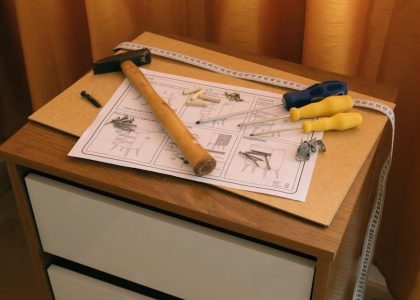
Begin by assembling the rail sections according to the diagram in your manual, ensuring secure connections at each joint. Position the assembled rail firmly against the ceiling joists, utilizing the provided mounting brackets. Securely fasten the brackets to the joists with lag screws – pre-drilling pilot holes is recommended for easier installation and to prevent wood splitting.
Next, carefully lift the motor unit and align it with the rail. Slide the motor unit onto the rail until it locks into place. Double-check that the motor unit is securely attached to the rail and that all connections are tight. Proper mounting is critical for stable operation and to minimize vibration during use.
Connecting the Door Brackets
Attach the curved door brackets to your garage door panels, ensuring they are level and at the same height on both sides. Use the provided hardware and follow the diagram closely; proper alignment is crucial for smooth operation. Next, connect the door arm to the door brackets using the provided pins and retainers.
Carefully position the opener arm so it aligns with the trolley on the rail. Securely attach the arm to the trolley with the provided connector. Verify that the door moves freely and without obstruction when operated manually. Adjust bracket height if needed to achieve a balanced and level door operation.

Operating the Garage Door Opener
Now that setup is complete, you can effortlessly control your garage door using the wall control, remote controls, or the integrated safety features.
Using the Wall Control
The wall control panel is your primary method for operating the garage door. Located inside your garage, it features a clearly marked “Open” and “Close” button. A single press of either button initiates the corresponding door movement.
The wall control also includes a “Stop” button, crucial for immediately halting door operation during emergencies or if an obstruction is detected. A light button activates the opener’s internal light, providing illumination for the garage area.
Pay attention to the indicator light on the wall control; it illuminates when the door is in motion and may flash to indicate a problem. Familiarize yourself with these functions for smooth and safe operation.
Remote Control Programming
Programming your remote is straightforward. First, locate the “Learn” button on the garage door opener motor unit – it’s usually yellow or orange. Press and release this button. Within 30 seconds, press and hold the desired button on your remote control until the garage door opener light flashes, indicating successful programming.
For multiple remotes, repeat this process for each one. If programming fails, ensure the remote has fresh batteries and try again. Some models may require clearing existing codes before adding new ones; consult your specific model’s instructions.
Remember to test each remote after programming to confirm proper functionality and secure operation of your garage door.
Safety Features & Operation
Your Craftsman opener includes vital safety features. The Safety Reverse System automatically reverses the door if it encounters an obstruction during closing. Regularly test this by placing a 2×4 board across the door’s path. The opener also features photoelectric sensors – ensure these are aligned and free from obstructions for optimal operation.
Never allow children to play near the door or operate the remote. Always keep the area clear during operation. The wall control provides a convenient override, but use caution.
Proper operation involves observing the door’s full travel and ensuring no obstructions are present.

Maintenance & Troubleshooting
Regular upkeep extends your opener’s life. This section details routine maintenance and solutions for common operational issues you might encounter.
Regular Maintenance Schedule
To ensure optimal performance and a long lifespan for your Craftsman 3/4 HP garage door opener, adhere to this maintenance schedule. Monthly, visually inspect the entire system – rails, brackets, springs, and hinges – for any signs of wear, rust, or damage. Lubricate the moving parts, including the chain or belt, with a garage door lubricant.
Every six months, tighten all bolts and nuts. Check the alignment of the safety sensors and ensure they are free from obstructions. Annually, a more thorough inspection is recommended. Examine the springs for fatigue and consider professional inspection if needed. Clean the motor unit to prevent dust buildup. Following this schedule will minimize potential issues and keep your opener running smoothly.
Troubleshooting Common Issues – Door Won’t Close
If your garage door isn’t closing, begin by checking the safety sensors. Ensure they are aligned and free of obstructions – even a small item can trigger the safety mechanism. Next, verify the wall control and remote control batteries are fresh. Test the wall control; if it doesn’t work, there may be an electrical issue.
Inspect the travel limits; incorrect settings can prevent full closure. Finally, manually test the door’s balance – it should move smoothly without excessive force. If the door is heavily weighted or feels stuck, do not attempt to force it; contact a qualified technician for spring or mechanical repairs.
Troubleshooting Common Issues – Door Reverses
If your garage door reverses after closing a short distance, the safety sensors are the first place to check. Misalignment or obstructions blocking the beam are common causes. Also, examine the sensitivity settings on your opener; if set too high, it may interpret minor resistance as an obstruction.
Inspect the door’s balance. An unbalanced door requires more force to close, potentially triggering the reverse mechanism. Finally, check the spring system for signs of wear or damage. A faulty spring can cause inconsistent door movement. If adjustments don’t resolve the issue, consult a professional garage door technician.
Replacing the Light Bulb
Before replacing the bulb, always disconnect the power to the garage door opener at the breaker box to prevent electrical shock. Locate the light bulb socket within the motor unit housing. Carefully remove the old bulb – it may be hot!
Consult your opener’s manual for the correct bulb wattage and type; typically, a standard A19 incandescent or LED bulb is used. Install the new bulb, ensuring it’s securely screwed into the socket. Restore power at the breaker box and test the light. Never exceed the maximum wattage specified to avoid damaging the opener.
Safety Precautions & Warnings
Prioritize safety! Regularly inspect the door, hardware, and opener. Keep clear during operation and never allow children near moving parts.
Important Safety Guidelines
Read carefully before installation and operation. Garage doors are powerful and can cause serious injury or death if not handled correctly. Always disconnect power before performing any maintenance or repairs. Never operate the opener while anyone is underneath the door.
Regularly test the safety reversal system – the door should immediately stop and reverse upon encountering an obstruction. Keep the area around the door clear of obstacles. Do not allow children to operate the opener or play near the door. Ensure all safety sensors are properly aligned and functioning. A malfunctioning safety sensor can prevent the door from closing, or worse, cause it to close on an obstruction.
Proper installation is crucial for safe operation; if unsure, consult a qualified professional.
Emergency Release Procedures
In case of power outage or opener malfunction, you can manually operate the garage door using the emergency release cord. Caution: Disconnecting the opener will disable the safety features. Locate the emergency release cord hanging from the rail. Pull the cord firmly and steadily downwards to disengage the carriage.
The door will now be unlocked and can be opened and closed manually. To re-engage the opener, simply pull the cord upwards until it clicks back into place. Ensure the door is fully closed before re-engaging to prevent damage. Test the opener’s operation after re-engagement. Never leave the door in an unsecured state for extended periods.

Advanced Settings & Customization
Personalize your opener! Explore travel limit adjustments and the Security+ rolling code system for enhanced control and security features.
Adjusting Travel Limits
Fine-tune door movement! Travel limits dictate how far the door opens and closes. Incorrect settings can cause incomplete cycles or collisions; To adjust, locate the limit adjustment dials on the motor unit.
Typically, one dial controls the ‘up’ travel, and the other the ‘down’ travel; Use a screwdriver to make small adjustments – clockwise increases the travel distance, counter-clockwise decreases it.
After each adjustment, test the door’s full range of motion. Observe carefully to ensure it doesn’t hit obstructions or reverse unexpectedly. Repeat adjustments until the door operates smoothly and reliably within your desired limits. Caution: excessive adjustments can damage the opener!
Setting the Security+ Rolling Code System
Enhance your security! The Security+ Rolling Code system prevents unauthorized access by changing the access code each time the opener is used. To program, ensure your remote is compatible (check the model number). Press the “Learn” or “Smart” button on the motor unit – it’s usually purple or orange.
Within 30 seconds, press and hold the button on your remote until the opener’s light flashes. This confirms successful programming. Repeat for additional remotes.
To erase all codes and reset the system, press and hold the “Learn” button until the light flashes rapidly. Important: This will deprogram all remotes, requiring reprogramming.

Resources & Support
Need help? Explore online manuals and frequently asked questions, or connect directly with Craftsman’s dedicated customer support team for assistance.
Finding Additional Manuals Online
Accessing digital resources is easy! Craftsman provides a wealth of information on their official website. Begin by visiting SearsPartsDirect.com and entering your specific model number – located on the opener unit itself – into the search bar. This will lead you directly to downloadable manuals, parts diagrams, and troubleshooting guides tailored to your 3/4 HP opener.
Alternatively, you can explore the Craftsman website directly, navigating to the support section and filtering by “Garage Door Openers.” Many user forums and online communities also host archived manuals and offer helpful advice from fellow owners. Remember to always verify the manual’s compatibility with your exact model number for accurate information.
Contacting Craftsman Customer Support
Need direct assistance? Craftsman offers several avenues for customer support. For immediate help, call their dedicated helpline at 1-800-697-9374. Be prepared to provide your model number and a detailed description of the issue you’re experiencing. You can also utilize the online chat feature available on the Craftsman website for quick questions.
For less urgent inquiries, submit a request through their online contact form, allowing a representative to respond within 24-48 hours. When contacting support, having your purchase date and any relevant error codes readily available will expedite the process. Craftsman’s support team is equipped to assist with manual requests and technical troubleshooting.